Soil and Its Influence on Vine Growth
Soil plays a foundational role in vineyard performance, but not in the way many assume. Grapevines do not need rich soil to thrive. In fact, overly fertile soil can encourage excessive leaf growth at the expense of grape quality. What matters more is drainage, structure, and mineral composition. These factors influence how deeply roots grow and how vines regulate water uptake.
Different soil types, such as clay, limestone, gravel, or volcanic rock, affect vine stress levels and nutrient availability. Mild stress can be beneficial, encouraging vines to focus energy on fruit rather than foliage. Over time, this interaction between roots and soil contributes to the character of the grapes, influencing acidity, tannin structure, and flavor development without guaranteeing uniform results.
Climate, Weather, and Seasonal Rhythm
Climate sets the broad limits of what a vineyard can produce. Temperature ranges, sunlight hours, rainfall patterns, and wind exposure all affect vine behavior. Within those limits, yearly weather variations introduce unpredictability. A warm spring may lead to early bud break, while a cool summer can slow ripening and preserve acidity.
Winemakers often speak of vintages because no two growing seasons are identical. Frost, heatwaves, droughts, or heavy rain can alter yields and grape composition. Vineyard teams respond with adaptive practices, such as adjusting harvest dates or modifying canopy shading. These decisions shape the final wine as much as any choice made in the cellar.
Vineyard Management and Human Decisions
Every vineyard reflects human priorities layered onto natural conditions. Choices about vine spacing, trellising systems, pruning styles, and pest management influence both yield and quality. Some growers focus on maximizing production, while others aim for lower yields and greater concentration. Neither approach is inherently superior, but each leads to different outcomes.
Modern vineyard management often blends traditional knowledge with scientific research. Soil analysis, weather monitoring, and vine health tracking provide data to support decisions. At the same time, experienced growers rely on observation and intuition developed over decades. The vineyard becomes a record of these choices, visible in vine vigor and fruit consistency.
Grapes as the Foundation of Wine
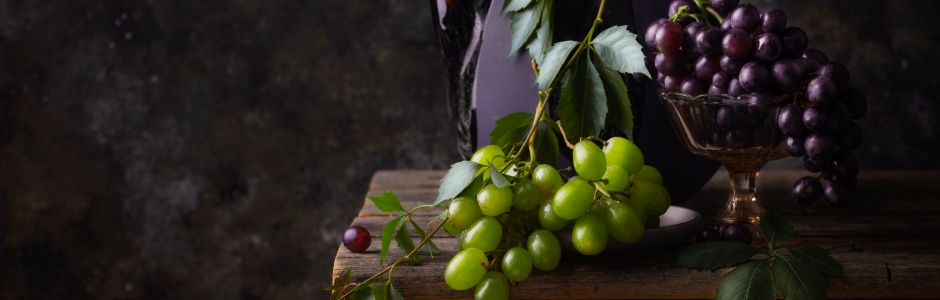
The true raw material that goes into wine is the grapes, yet they are important far beyond being classified under a variety name or ripening level. The same grape expressions are usually found in extensively different varieties according to soils and vine-growing practices. To know the grape is to come to grips with the varying personality it demonstrates, not basking in the false hope of a uniform profile.
Variety, Adaptation, and Site Compatibility
Each grape variety has preferred conditions, but adaptability is often underestimated. Some grapes perform well across multiple climates, while others are highly sensitive to temperature or moisture. Successful vineyards match grape varieties to sites where they can ripen reliably without losing balance.
Adaptation also occurs over time. Vines adjust to local conditions through root development and growth patterns. Older vineyards often produce fruit with greater consistency and depth, not because of age alone, but because vines have established stable relationships with their environment.
Ripeness Beyond Sugar Levels
Ripeness is often misunderstood as a single point defined by sugar concentration. In reality, ripeness involves multiple dimensions, including acidity, tannin maturity, and flavor development. Grapes may reach desired sugar levels before their skins and seeds are fully mature, creating difficult harvest decisions.
Winemakers and growers taste grapes in the vineyard, assessing texture and flavor rather than relying solely on measurements. Harvest timing becomes a balancing act, weighing freshness against richness. These choices influence alcohol levels, mouthfeel, and the wine’s ability to age.
Harvest Practices and Timing
Harvest marks the transition from vineyard to winery, but it is not a simple endpoint. Decisions about hand harvesting versus mechanical harvesting affect grape integrity and labor demands. Hand harvesting allows for selective picking and gentler handling, while machines offer efficiency and speed.
Timing is equally critical. Grapes harvested early may produce wines with higher acidity and lower alcohol, while later harvests bring fullness and softness. Weather forecasts, labor availability, and stylistic goals all factor into this moment. Once grapes are picked, the direction of the wine is largely set.
The Winemaking Process Explained
Winemaking involves the transformation of grapes into wine with a series of deliberate steps. Though the process is based on basic principles, each stage provides opportunities for intervention or control. One other decision faced by the vintner is the extent to which fermentation is nudged along by man and where it shall be left up to Nature.
Crushing, Pressing, and Juice Extraction
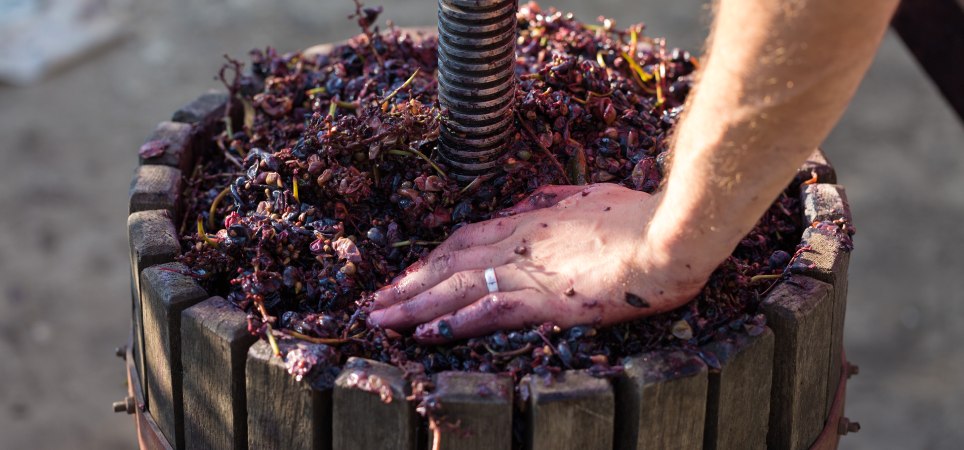
After harvest, grapes are typically crushed to release juice. For white wines, pressing often occurs immediately to separate juice from skins. Red wines usually ferment with skins to extract color and tannins. These early steps influence the wine’s body and phenolic structure.
Pressing methods vary in intensity. Gentle pressing produces lighter, more delicate juice, while harder pressing extracts additional compounds that may add texture or bitterness. Winemakers choose based on grape quality and intended style rather than fixed rules.
Fermentation and Yeast Activity
Fermentation converts sugar into alcohol through yeast activity. This process generates heat, aromas, and carbon dioxide. Yeast can be naturally present on grape skins or introduced in selected strains. Each approach carries implications for flavor complexity and predictability.
Temperature control during fermentation affects aromatic expression and extraction. Cooler fermentations preserve fresh fruit notes, while warmer conditions encourage structure and depth. Monitoring fermentation requires attention, as rapid or stalled fermentations can alter the final result.
Post-Fermentation Choices and Aging
Once fermentation ends, wine enters a phase of refinement. Decisions about aging vessels, such as stainless steel, concrete, or oak barrels, influence texture and flavor integration. Oak can add structure and subtle aromas, but it also risks overshadowing vineyard character if overused.
Aging allows wine to stabilize and develop complexity. Some wines are bottled quickly to preserve freshness, while others mature for years before release. The length and conditions of aging reflect both tradition and market expectations, shaping how wine fits into cultural and commercial contexts.
Historical Practices and Cultural Continuity
Many winemaking techniques developed as practical solutions to local challenges. Methods for storing wine, managing fermentation, or protecting vines often arose long before scientific explanations existed. These practices persist because they work, not because they are romantic relics.
Cultural continuity matters in wine regions where knowledge is passed down through generations. Stories, rituals, and seasonal rhythms reinforce a sense of place. Even when techniques modernize, these traditions provide context and identity that shape how wines are perceived.
Modern Technology and Changing Approaches
Technological advances have transformed winemaking precision. Temperature control, analytical tools, and improved sanitation reduce the risk of spoilage and inconsistency. These tools support quality but also raise questions about uniformity and intervention.
Some producers embrace technology to highlight vineyard differences more clearly, while others prefer minimal intervention. The debate is not about right or wrong, but about intention. Technology becomes one more tool in expressing or reshaping the relationship between land and wine.
Defining Regional Character Through Wine
Regional character, often referred to as a sense of place, emerges from repeated patterns rather than fixed formulas. Climate, soil, and human practice converge over time to create recognizable profiles. These profiles help consumers understand expectations, but they are never absolute.
Producers within the same region may interpret local character differently. Diversity within regions keeps wine culture dynamic, preventing it from becoming static or overly standardized. Regional identity remains a shared language rather than a strict rulebook.
Understanding Wine Without Intimidation
Technical terminology can obscure rather than clarify wine appreciation. While detailed descriptions have value, they can also alienate newcomers. Clear, accessible language helps demystify wine without oversimplifying it.
Education initiatives and tasting experiences that emphasize observation over authority encourage broader participation. Wine becomes less about correct answers and more about attentive engagement with sensory experience.
Context, Story, and Meaning
Stories connect wine to human experience. Knowledge about vineyards, seasons, and decisions adds depth to drinking, but it should enhance enjoyment rather than dictate it. Context enriches meaning without prescribing preference.
Consumers increasingly value transparency and authenticity. Understanding how wine is made and where it comes from fosters trust and curiosity. This relationship benefits both producers and drinkers.
Environmental Responsibility in Modern Viticulture
Climate is changing rapidly and now vineyards are facing responsibility. Sustainable practices are no longer about choices and just thrown out as ideology. Safety of a land is the engine for the vineyard's own rate of sustainability and for the health of interconnected ecosystems.
Soil Health and Long-Term Viability
Healthy soil supports resilient vines. Practices such as cover cropping, reduced chemical inputs, and compost use help maintain soil structure and microbial life. These methods improve water retention and reduce erosion, particularly in vulnerable landscapes.
Long-term soil care recognizes that vineyards are multi-decade investments. Short-term gains achieved through aggressive practices often lead to diminished quality and sustainability. Soil health becomes a measure of stewardship rather than productivity alone.
Water Use and Climate Adaptation
Water management is a growing concern in many wine regions. Efficient irrigation systems and dry farming techniques help reduce dependence on limited water resources. Vineyards increasingly rely on observation and monitoring to apply water only when necessary.
Climate adaptation also includes experimenting with different grape varieties, adjusting canopy management, and altering harvest timing. These responses reflect flexibility rather than resistance, acknowledging that environmental conditions will continue to evolve.
Biodiversity and Ecosystem Balance
Biodiversity contributes to vineyard resilience. Encouraging beneficial insects, maintaining native vegetation, and reducing monoculture effects support natural pest control and ecological stability. Vineyards become part of larger landscapes rather than isolated production zones.
Ecosystem balance aligns agricultural goals with environmental responsibility. While challenges remain, many vineyards demonstrate that quality wine production and ecological care can coexist when guided by long-term thinking.
Where Land and Craft Meet
Vineyards and wine-making elucidate how man's ingenuity depends so much on nature. From soil to the cellar, every step presents a choice shaded by its context, tradition, and purpose. We can't say that wine is a static output of agriculture; it is always a dialogue between land and generations, to be continued with every harvest and every glass.