Understanding the Vineyard Landscape

Wine production begins in the landscape much before fermentation and aging, developed by the forces of geography, soil, and climate that have been working together over decades or centuries. Understanding how these elements affect grape growing goes a long way toward explaining why wine from different places tastes completely different even when made from the same grape variety. This page explores the particular ways in which vineyards interact with their natural surroundings and why those relationships are important at each stage of wine making.

Physical Shape of Vineyards

Geography and the Physical Shape of Vineyards

Geography establishes the physical framework for every vineyard. From elevation and angle to availability of water, and the direct influence of wind patterns, the geographical state determines how vines grow and how grapes ripen. These are major practical factors shaping vineyard decisions, daily routines, and ultimately, outcomes.

Geographic conditions also command some restrictions, imposing limitations on what is possible; some environments are favorable for growing certain grape varieties or adopting certain growing methods while others are restrictive in some ways that need careful ongoing management. Understanding geography offers profound insights into why vineyards flourish in some places and not in others.

Elevation and Its Influence on Temperature

Elevation plays a major role in vineyard climate. As altitude increases, temperatures generally decrease, leading to slower ripening and higher acidity in grapes. Vineyards at higher elevations often produce wines with fresher profiles, more structure, and pronounced aromatic qualities. These conditions can be beneficial in warm regions where excessive heat might otherwise lead to overripe fruit.

Lower elevation vineyards tend to experience warmer nights and more consistent heat accumulation. This can encourage fuller ripeness and higher sugar levels, resulting in wines with greater body and alcohol. However, without careful site selection and canopy management, excessive warmth can flatten flavors or reduce balance. Elevation therefore becomes a tool for growers to fine-tune ripening rather than a simple measure of quality.

Slope, Aspect, and Sun Exposure

The angle and direction of a vineyard slope influence how much sunlight vines receive throughout the day. South-facing slopes in cooler climates often receive more direct sunlight, helping grapes ripen fully. In warmer regions, east-facing slopes can be preferred because they capture gentle morning sun while avoiding intense afternoon heat.

Slope also affects air drainage. Cold air flows downhill, reducing the risk of frost damage in sloped vineyards compared to flat valley floors. This natural movement of air can be critical in spring and fall, when temperature extremes pose serious threats to vines. As a result, slope is often valued as much for protection as for sunlight.

Proximity to Water and Landscape Features

Nearby rivers, lakes, or seas moderate temperature extremes by absorbing and releasing heat slowly. Vineyards near water bodies often experience milder winters and cooler summers, extending the growing season. This moderation can help grapes ripen more evenly and maintain acidity.

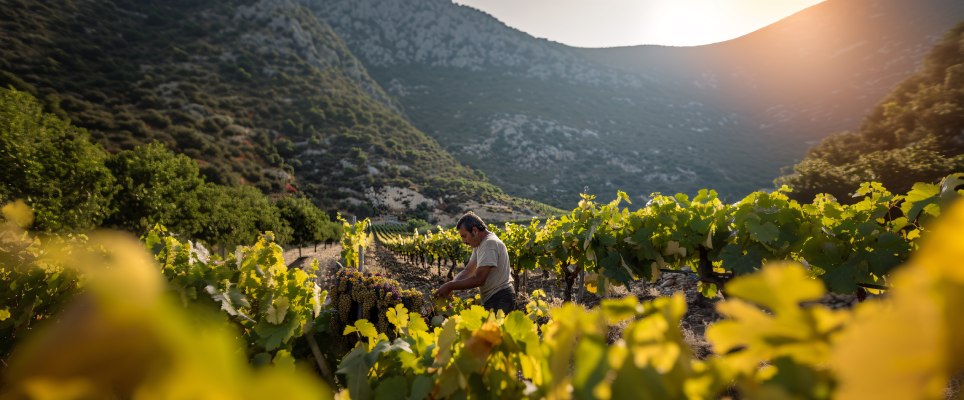
Mountains, forests, and valleys also shape local conditions by influencing wind patterns and rainfall. A mountain range may block storms or create rain shadows, while open valleys may channel cooling breezes. These features create distinct microenvironments that can vary dramatically over short distances, making geography a defining factor in vineyard identity.
Soil Composition and Vineyard Health

Soil encompasses more than vineyard floor itself. Water availability, root development, and nutrient absorption are in charge of all the life processes in this ecosystem, which, in turn, impact vine welfare and grape quality as well. While vines can adapt to surviving in many different kinds of soil, its mineral composition subtly affects the flavors of the human beverage.

The growers put all their attentions into the study of their soil in order to enable the vineyard to shine for many seasons. The characteristics of the soil cannot be changed once the vines are planted into it. Correct matching of vineyard soil type and grape variety is therefore one of the most important decisions to be made during vineyard operations.

Drainage and Water Retention

Well-drained soils are generally preferred for grape growing. Excess water encourages vigorous leaf growth, which can shade grapes and dilute flavors. Soils that drain efficiently force vines to work harder for water, leading to deeper root systems and more concentrated fruit.

At the same time, soils must retain enough moisture to support vines during dry periods. Gravelly or sandy soils drain quickly and warm early in the season but may require careful water management. Clay-rich soils hold water longer, which can be beneficial in dry climates but risky in wet ones. Balance between drainage and retention is key to healthy vine growth.

Mineral Content and Vine Nutrition

Soil minerals influence vine nutrition, though their effect is indirect. Vines absorb nutrients through water and microbial activity rather than directly from rocks. Still, soils rich in certain elements can support steady growth and resilience, while nutrient-poor soils may naturally limit vigor.

Low-fertility soils are often valued in vineyards because they encourage vines to focus energy on fruit rather than foliage. This controlled stress can enhance flavor concentration and structure in grapes. However, extreme nutrient deficiencies can weaken vines over time, making careful monitoring essential.

Soil Depth and Root Development

Deep soils allow roots to grow extensively, accessing water and nutrients across different layers. This can stabilize vine growth during variable weather conditions. Shallow soils restrict root systems, increasing sensitivity to drought and temperature fluctuations but sometimes producing smaller, more concentrated berries.

Root depth also affects vineyard longevity. Vines with access to deeper soil layers tend to be more resilient and productive over decades. Soil depth, combined with texture and structure, shapes how vines interact with their environment year after year.

Climate Patterns and the Growing Season

Climate involves overall conditions that govern the ripening and taste of grapes. This includes the temperature, rainfalls, and seasons. Variability in detail naturally at the level of geographic location and local soil conditions; however, the climate itself is the foremost determinant of the outer, eventual yield report possible out of any vineyard site.

Climate is an area in which viticulture is revolutionized beyond recognition. The shift in climates per annum is a complete parody in all the contiguity of our world. On a larger level it is drought or excess of soil moisture, crop failure of planting seasons in years, low yields the fo... many other years might make great-looking wine. Hence, for witless farmers, the edge is just flexibility.

Temperature Ranges and Ripening Cycles

Grapevines require a specific range of temperatures to grow and ripen fruit. Warm days support sugar development, while cool nights help preserve acidity and aromatic compounds. Regions with wide day-night temperature swings often produce balanced grapes with both ripeness and freshness.

Excessive heat can accelerate ripening, leading to high sugar levels before flavors fully develop. Conversely, cool climates may struggle to achieve full ripeness in some years. Successful vineyards align grape variety choices with local temperature patterns to ensure consistency.

Rainfall Timing and Distribution

The amount and timing of rainfall matter as much as total annual precipitation. Adequate water early in the growing season supports canopy development, while drier conditions near harvest reduce disease pressure and concentrate flavors.

Too much rain close to harvest can cause berries to swell and dilute flavors, or even split, increasing the risk of rot. In dry climates, irrigation may be necessary to prevent vine stress. Climate patterns therefore influence not only vine health but also vineyard management strategies.

Wind, Frost, and Extreme Weather

Wind can be both beneficial and harmful. Gentle breezes reduce humidity and disease pressure, while strong winds can damage shoots and reduce yields. Frost poses a major risk in spring, when young buds are vulnerable to cold temperatures.

Hail, heatwaves, and unseasonal frosts can all cause sudden damage. Climate resilience depends on site selection, protective measures, and long-term planning. These risks remind growers that vineyard landscapes are dynamic systems shaped by natural forces beyond human control.

How Landscape Factors Interact in Practice

Geography, soil and climate are not independent variables; they interact with each other within the whole vineyard environment. If we have truly free-draining soils, we can afford more rainfall; altitude may also be instrumental in lessening the heat excesses in wines. Wise interaction processes are fundamental to the sustainable management of the vineyard.

Some significant interactions determining vineyard outcomes include:

  • The combined effect of slope and soil drainage on water management.
  • Elevation and temperature profiles affecting grape variety selection.
  • A surrounding landscape feature modulating extreme climate events.
  • Student aloud to vine distress and vine health forced by factors of soil and weather.
  • And then the compounded effect of site differences in small measures of grape composition.

Microclimates and Site-Specific Variation

In a single wine region, conditions can vary greatly from one vineyard to the other. This thereby includes even more local microclimates forming from slight variations in altitude, orientation toward the sun, soil, and landscaping profile. The distinct personalities of grapes from adjacent vineyards are often thus explained by these more localized conditions.

Small-Scale Temperature Differences

A few degrees of temperature difference can change how grapes ripen. Vineyards sheltered from wind may be warmer, while those exposed to cooling breezes ripen more slowly. Even subtle shading from nearby hills or trees can influence sun exposure.

These variations affect harvest timing and grape composition. Growers may harvest different blocks at different times, tailoring decisions to each microclimate. This attention to detail reflects the importance of site-specific knowledge in viticulture.

Soil Variation Within Vineyards

Soil composition can change within a single vineyard block. A section with more gravel may drain faster and ripen earlier than an area with higher clay content. These differences can lead to uneven growth if not managed carefully.

Many vineyards are divided into smaller parcels to account for soil variation. Grapes from each parcel may be harvested separately and blended later, allowing winemakers to balance structure, aroma, and flavor. Micro-level soil understanding supports both consistency and complexity.

Human Influence on Microclimates

Vineyard design and management can modify microclimates. Row orientation affects sun exposure, while canopy management controls shading and airflow. Decisions about trellising, pruning, and ground cover all influence local conditions around the vine.

While growers cannot change regional climate, they can shape how vines experience it. These adjustments demonstrate the interplay between natural landscape and human expertise in grape growing.

Reading the Land Behind the Wine

To paint a contemporary image of the vineyard landscape is to contemplate the vine within context. Geography determines form, soil describes balance, and climate dictates rhythm. All of these factors together decide how grapes grow and wine to taste. By reading the land carefully, growers deal with the limitations and possibilities presented by it and thereby turn Natural variation into strength. Wine thus ceases to be merely the product of grapes; instead, it becomes an imprint of place, time, and knowledgeable stewardship.