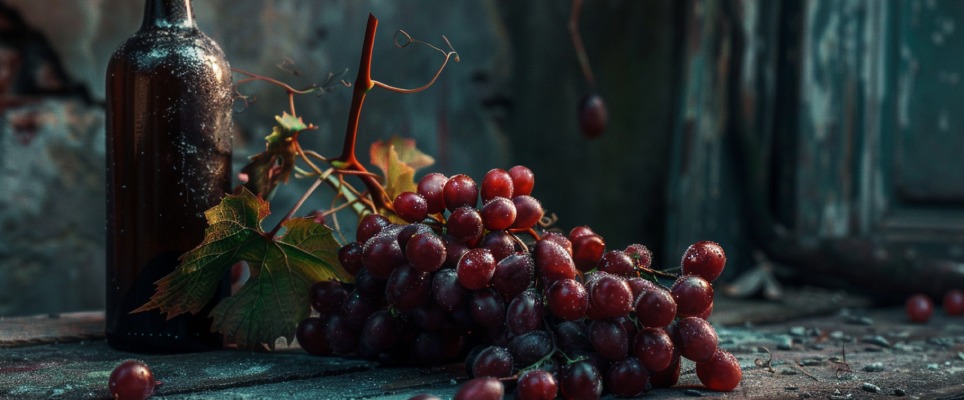
The Foundations of Red Grape Character
The characteristics of red grapes that are helping them to acquire a distinct and peculiar character beg for clarity, distinguishable by skin thickness, acidity, tannins, and sugar levels affecting the look, smell, or feel of a wine. The standard is fixed by the grape, while weather and human hand complete the final product.
Skin Thickness and Color Intensity
The skins of red grapes are responsible for a wine’s color, as well as a large portion of its flavor and tannin content. Grapes with thicker skins tend to produce darker, more intensely colored wines with firmer structure. Thinner-skinned varieties usually result in lighter-colored wines with softer textures and more transparency in flavor.
Skin thickness also affects how grapes respond to climate. Thick-skinned grapes often handle heat and sun exposure better, while thin-skinned varieties are more sensitive to weather changes. This is one reason certain grapes are closely associated with specific growing conditions and regions.
Tannins and Mouthfeel
Tannins are compounds found in grape skins, seeds, and stems, and they play a key role in how red wine feels in the mouth. They create dryness, grip, and structure, especially noticeable on the gums and tongue. Different grape varieties have naturally different tannin profiles, ranging from soft and silky to firm and angular.
High-tannin grapes often produce wines that benefit from aging, as time allows tannins to soften and integrate. Lower-tannin varieties tend to be more approachable when young and are often valued for their immediate drinkability and smoothness.
Acidity and Balance
Acidity gives wine freshness and lift, balancing sweetness, alcohol, and tannin. Some red grape varieties naturally retain higher acidity, which can make wines feel brighter and more energetic even when they are deeply colored. Others have softer acidity, contributing to a rounder, fuller mouthfeel.
Acidity also affects food pairing and aging potential. Wines with good natural acidity tend to pair well with a wider range of dishes and often age more gracefully over time, maintaining structure and clarity as flavors evolve.
Cabernet Sauvignon
Cabernet Sauvignon is known for its structure, intensity, and aging potential. It typically produces deeply colored wines with firm tannins and moderate to high acidity. Common flavor notes include blackcurrant, blackberry, cedar, and subtle herbal tones, often accompanied by oak-derived characteristics when aged in barrels.
Because of its thick skins and resilience, Cabernet Sauvignon performs well in many climates. It often forms the backbone of blends but is equally respected as a single-variety wine. Its structured nature makes it well suited to long-term aging, during which its bold tannins gradually soften and integrate.
Merlot
Merlot is generally softer and more approachable than Cabernet Sauvignon, with rounder tannins and a smoother mouthfeel. Typical flavors include plum, cherry, and chocolate, with less pronounced herbal notes. Its moderate acidity contributes to a balanced, easy-drinking style.
This grape is often appreciated for its versatility. It can produce simple, fruit-forward wines for early consumption or more complex styles when yields are controlled and aging is extended. Merlot is frequently blended with firmer grapes to add softness and mid-palate weight.
Pinot Noir
Pinot Noir is known for its elegance, light color, and aromatic complexity. It typically shows red fruit flavors such as strawberry and raspberry, along with floral and earthy notes. Tannins are usually soft, and acidity is often relatively high, giving the wine a lively, delicate structure.
This grape is particularly sensitive to climate and site conditions, making it challenging to grow consistently. When successful, it produces wines valued for subtlety rather than power, with an emphasis on texture, aroma, and nuance rather than sheer intensity.
Syrah
Syrah, also known for its bold personality, produces deeply colored wines with strong tannins and rich flavors. Common notes include blackberry, black pepper, smoked meat, and dark spices. Acidity levels can vary, but the grape often delivers a powerful, concentrated profile.
Depending on growing conditions, Syrah can range from structured and savory to lush and fruit-driven. Its intensity makes it suitable for aging, and it is frequently used both as a single variety and as part of blends to add depth and complexity.
Sangiovese
Sangiovese is known for its bright acidity and savory character. Typical flavors include cherry, dried herbs, and subtle earthy notes. Tannins are usually moderate, giving the wine structure without overwhelming the palate.
This grape often reflects its growing conditions clearly, making it expressive of place. Its natural acidity makes it food-friendly, and it can produce wines ranging from simple and fresh to layered and age-worthy, depending on yield and aging choices.
Tempranillo
Tempranillo generally produces medium-bodied wines with balanced tannins and moderate acidity. Flavor profiles often include red and dark fruits, leather, and gentle spice. The grape’s relatively neutral character allows aging techniques to play a strong role in shaping its final style.
It is valued for its ability to develop complexity over time, especially when aged. Tempranillo-based wines often show a smooth progression from fruit-driven youth to more savory, nuanced maturity.
Zinfandel
Zinfandel is typically associated with ripe fruit flavors and higher alcohol levels. Common notes include blackberry, raspberry, and spice, sometimes accompanied by a subtle sweetness impression even in dry styles. Tannins are usually moderate, contributing to a plush mouthfeel.
This grape responds strongly to climate, often producing richer, more intense wines in warmer conditions. It is appreciated for its bold, expressive personality and its ability to balance fruit intensity with spice and texture.
Key Traits to Compare Across Red Grapes
When comparing red grape varieties, certain characteristics consistently shape how they are perceived. These traits provide a practical framework for understanding differences without relying on technical language.
- Color depth and clarity
- Tannin strength and texture
- Acidity level and freshness
- Typical flavor spectrum
- Aging potential and structure
Grape variety influences more than just flavor. It affects how a wine is consumed, how it pairs with food, and how it fits into cultural and social settings. Some grapes are associated with celebration and aging, while others are valued for everyday enjoyment.
Lesser-Known but Influential Red Grapes
Many other red grape varieties, beyond the most celebrated grape wines, play an important role in regional traditions and blends. These grapes, though unfamiliar to many casual drinkers, help lend some unique characteristics that give shape to the wine identity of a region.
To understand these wines adds depth to a red wine investigation and, at the same time, reveals the diversity that exists beyond the boundary of the major names.
Grenache
Grenache typically produces wines with lighter color, soft tannins, and generous fruit flavors. Notes of red berries, herbs, and spice are common, and alcohol levels can be relatively high due to the grape’s tendency to accumulate sugar.
Because of its softness and warmth, Grenache is often blended with firmer grapes to add body and richness. As a standalone wine, it offers an approachable, expressive style that emphasizes fruit and texture over structure.
Malbec
Malbec is known for its deep color, plush texture, and dark fruit flavors. Common characteristics include blackberry, plum, and subtle floral notes. Tannins are generally smooth, and acidity tends to be moderate, contributing to a rich but balanced profile.
This grape has gained recognition for producing wines that are both intense and accessible. Its combination of color, fruit, and softness makes it appealing to a broad audience while still offering depth and aging potential.
Barbera
Barbera stands out for its high acidity and relatively low tannins. Flavors often include sour cherry, red plum, and herbal notes. The lively acidity gives these wines a fresh, energetic feel, even when fruit concentration is high.
Because of its structure, Barbera is often enjoyed young, though careful winemaking can produce more complex versions. Its acidity makes it particularly well suited to food, balancing richness and enhancing flavor contrasts.
Reading Red Grapes as a Language of Wine
Red grape varieties form something of an accepted vocabulary in the wine world. Each grape carries with it a set of expectations as shaped by its structure, flavors, and the way it has been used historically. The more one knows the prevailing patterns in this field, the more enriched is the enjoyment; it offers one, more clearly, the truth about why some wine resonates more than another.